Sleep, comfort & informed choices
Can Your Sleep Surface Affect How Quickly You Fall Asleep?
The path from lights-out to sleep is shaped by more than a mattress. Room temperature, stress, routines, comfort and health all play a part. Your sleep surface may influence how settled you feel, but no material can promise a faster journey into slumber.
There is a particular kind of impatience that arrives at bedtime: the room is dark, the day is technically over, and sleep seems to be taking its time. In that quiet interval, every sensation can become conspicuous—the warmth beneath the duvet, a shoulder pressing into the mattress, a pillow that seems just slightly too high. It is natural to wonder whether the bed itself is keeping you awake.
The short answer is that a sleep surface can contribute to comfort and temperature, both of which may affect how easy it feels to settle. The longer answer is more nuanced. Sleep latency—the time between intending to sleep and actually falling asleep—is influenced by a web of factors, including stress, sleep schedule, light exposure, caffeine, pain, medications, and the environment. A mattress is one element in that web, not a switch that turns sleep on.
That distinction matters when shopping, especially when claims around organic materials or “sleep-enhancing” design sound more certain than the evidence allows. A thoughtful mattress choice can make your bed feel more comfortable and better suited to your preferences. It cannot guarantee that you will fall asleep quickly, cure insomnia, or replace professional care for persistent sleep difficulties.
What sleep latency means—and what it doesn’t
Sleep latency is a straightforward term for the time it takes to fall asleep. It is often discussed in sleep research and can be measured in a laboratory setting, but an individual’s experience varies from night to night. One slow evening does not necessarily signal a problem. Nor is the shortest possible time always the goal: feeling calm and rested matters more than treating bedtime as a performance test.
Many influences sit outside the mattress. A late coffee, an irregular bedtime, a stressful conversation, a warm room or bright screen use close to bed can all affect the transition into sleep. So can discomfort, illness, pain, anxiety, some medications and sleep disorders. Sometimes the original disruption fades, but worry about not sleeping becomes its own source of alertness. Watching the clock can make that cycle feel even more intense.
This is why mattress comparisons should be framed around fit and comfort rather than guaranteed outcomes. If a bed feels too hot, too firm, too soft or unstable for your body, adjusting it may remove a source of disturbance. But if difficulty falling asleep is persistent, the sleep surface may be only a small part of the picture.
Comfort is personal, not a universal firmness number
A mattress can influence the way the body feels at rest. The relevant question is not simply whether a model is labelled “soft” or “firm,” but whether its support and cushioning work for your body, sleeping position and preferences. Firmness descriptions are not perfectly standardized between manufacturers, and two people can experience the same bed quite differently.
For one sleeper, a gently cushioned surface may feel welcoming. Another may prefer a more even, supportive feel. Side sleepers often pay particular attention to pressure around the shoulder and hip; back sleepers may focus on whether the body feels comfortably supported; stomach sleepers may look for a surface that does not feel excessively yielding. These are useful starting points, not rules. Body shape, personal comfort, existing pain and individual habits all matter.
When discomfort keeps drawing attention back to the bed, it can make winding down harder. A pressure point or a sensation of inadequate support may prompt repeated shifting, while a mattress that feels familiar and comfortable can make the settling-in period more pleasant. That does not prove it shortens sleep latency in every case. It simply means comfort is a reasonable part of a practical sleep setup.
Think of mattress selection as a decision about the conditions you can influence. Ask how the surface feels in your usual sleeping position, whether you wake with recurring discomfort, and whether your current bed has visibly worn or sagging areas. If possible, learn the trial and return terms before buying. A showroom impression is useful, but it cannot fully reproduce a night’s sleep.
Temperature: the quiet influence of a warm bed
Thermal comfort can be especially noticeable at bedtime. A sleep environment that feels too warm or too cool may distract from settling down, and the mattress, protector, sheets, sleepwear and duvet all contribute to the sensation of the bed. What feels breathable to one person may feel chilly to another; what feels cosy in winter may become stifling in a warmer room.
Mattress construction can shape how heat and moisture are experienced at the sleep surface, but a material name is not a complete temperature forecast. The cover, internal layers, quilting, room climate, bedding choices and personal tendency to sleep warm also matter. Even a material often associated with breathability cannot control the temperature of the whole bedroom or guarantee that an individual will feel cool.
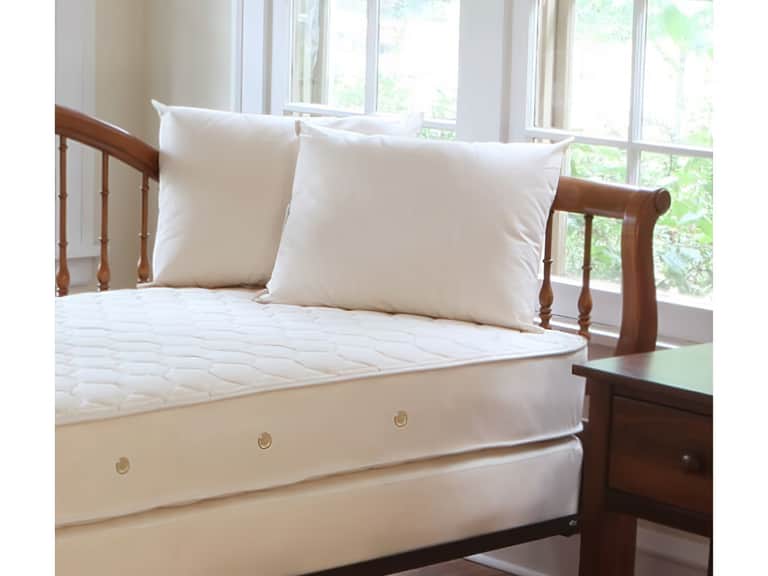
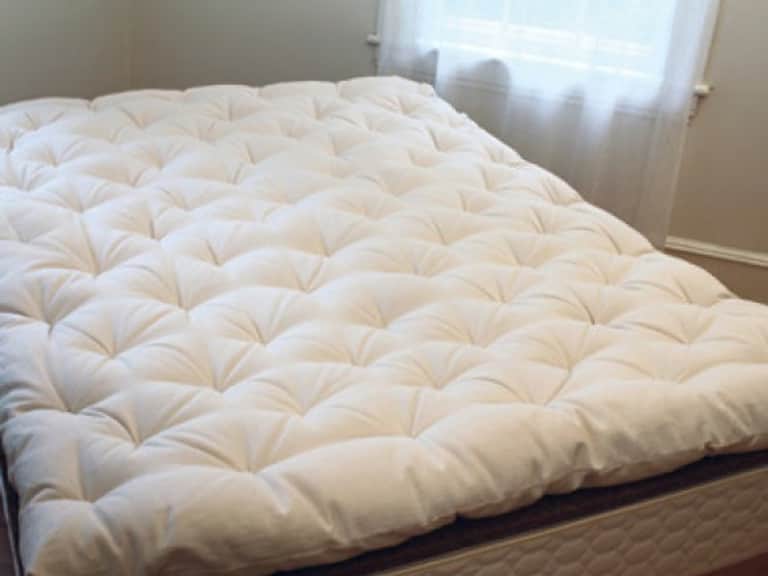
Wool is one example of a natural fibre used in bedding for its temperature- and moisture-management properties. A latex-free option such as the Savvy Rest Pastoral Wool Mattress is described as a 4.5-inch mattress filled with GOTS-certified organic wool batting, with a tufted organic cotton cover. Its wool construction is presented as breathable and moisture-wicking, which may appeal to someone looking for a natural-fibre sleep surface. Those features describe the product’s materials and design; they are not evidence that it will make every sleeper fall asleep faster.
Before replacing a mattress to address warmth, consider the rest of the bed. A thick mattress protector, synthetic-feeling sheets, a heavy duvet or an overly warm room may be part of the experience. Changing one layer at a time can help you identify what makes a meaningful difference. Washing and caring for bedding according to its instructions can also preserve its feel and fit.
What “organic” tells you—and what it does not
Organic certifications can help shoppers understand how particular materials were produced or processed under defined standards. For people who prioritize certified fibres, ingredient transparency or certain manufacturing practices, those details can be important. Reading the scope of a certification is more useful than relying on the word “natural” alone, which can be broad and imprecise.
However, an organic label is not a sleep treatment. It does not establish that a mattress reduces sleep latency, resolves discomfort, prevents allergies for every person, or improves health outcomes. A material’s certification and a product’s comfort are separate considerations. The most responsible comparison holds both ideas at once: certifications may support a values-based purchase, while feel, support, construction and compatibility determine whether the bed suits you.
It is also worth separating product claims from personal response. Wool may be valued for breathability and moisture management, but that does not mean everyone will experience a cooler night. Organic cotton may be appealing for its fibre credentials, but the complete sleep environment—including room temperature and bedding—still shapes comfort. No single label can account for every sleeper’s needs.
When evaluating a mattress, look for precise descriptions of its materials, certifications, dimensions, care requirements and intended use. Consider how the product will work with your foundation, frame, mattress protector and sheets. Clear information is more useful than language promising perfect sleep.
A considered way to compare sleep surfaces
Instead of asking which mattress will make you fall asleep fastest, begin with a more answerable question: what, if anything, about your current sleep surface seems to interfere with comfort? A clear answer can help narrow the search. If you cannot identify a specific issue with the bed, replacing it may not address the cause of long nights awake.
- Notice patterns. Keep a brief record of bedtime, wake time, room conditions and recurring discomfort for a couple of weeks. Look for trends rather than drawing conclusions from one night.
- Separate mattress feel from bedding feel. A protector, pillow, sheet set or duvet can change the surface experience substantially. Check the full bed before assuming the mattress alone is responsible.
- Consider your usual position. Test the mattress in the position you actually sleep in, not only on your back for a brief showroom visit. Pay attention to pressure, support and ease of movement.
- Check the foundation and frame. A mattress needs compatible, stable support. Follow the manufacturer’s guidance for slat spacing, foundation type and weight limits where provided.
- Read the practical details. Compare mattress height, materials, care, warranty terms and any home trial or return policy. A product’s label should not take the place of those fundamentals.
- Give changes time, without forcing a verdict. A new surface can feel unfamiliar at first. Notice whether comfort improves, but avoid treating each night as a test of whether the mattress has “worked.”
For households with different preferences, a compromise may involve separate duvets, adjustable bases where appropriate, or distinct mattresses rather than one person trying to adapt to another’s needs. The aim is a workable sleep environment, not a theoretically perfect product.
The rest of the bedroom belongs in the conversation
A beautiful bed is only one part of a bedroom designed for rest. Light, sound, temperature and routine shape the atmosphere in which sleep begins. Reducing bright light near bedtime, keeping a consistent schedule where possible, and making the room comfortable can support a more settled routine. These are general considerations, not a guaranteed formula; personal circumstances and health can make sleep more complicated.
Small adjustments can be more revealing than a dramatic purchase. If you regularly feel too warm, try lighter bedding or review the room’s temperature before replacing the mattress. If noise interrupts your wind-down, consider whether the bedroom can be made quieter. If your pillow leaves your neck uncomfortable, assess its height and support. An orderly, calming room may help make bedtime feel less stimulating, though décor alone cannot resolve a sleep disorder.
Consistency can also ease the transition from the activity of the day to rest. A simple pre-bed routine—such as lowering the lights, setting aside work and choosing a quiet activity—may help create a clearer boundary between waking hours and sleep. There is no need to turn the routine into another demanding checklist. Its purpose is to make the evening feel more manageable.
When difficulty falling asleep deserves attention
Occasional nights of taking longer to fall asleep are common. If the problem happens frequently, lasts over time, affects daytime concentration or mood, or leaves you worried about your ability to sleep, consider speaking with a healthcare professional. Ongoing insomnia and other sleep difficulties can have many causes, and a clinician can help assess them. The mattress may be relevant, but it should not automatically be treated as the explanation.
Seek advice as well if pain, breathing problems, persistent restless sensations or medication effects seem connected with disrupted sleep. Avoid stopping or changing prescribed medication without medical guidance. A professional can help distinguish a sleep-environment concern from a health issue and discuss appropriate next steps.
It may help to bring a short sleep diary to an appointment, noting sleep and wake times, naps, caffeine or alcohol use, room conditions and symptoms. The record does not need to be perfect. Its value lies in showing patterns that can be difficult to recall after a tiring week.
The bottom line
Your sleep surface can affect how comfortable and thermally settled you feel at bedtime, and those sensations may influence how easy it is to wind down. A mattress that better suits your body and preferences may remove a source of distraction. Organic materials, including wool, can be part of that choice for shoppers who value their properties and certifications.
Still, sleep latency is not a mattress specification. No organic mattress can guarantee a shorter time to fall asleep, and a more expensive or carefully sourced bed is not automatically the right one for every person. Consider the whole sleep environment, look for a clearly defined comfort issue, and compare materials and practical details without mistaking marketing language for medical evidence.
The most useful sleep setup is not the one that promises an effortless night. It is the one that feels comfortable, fits your needs and supports a calm routine—while leaving room to recognize when persistent sleeplessness calls for help beyond the bedroom.
Frequently asked questions
Can a new mattress make you fall asleep faster?
A new mattress may improve comfort if your current one is worn, unsupportive or otherwise a poor fit. That could remove one source of disturbance, but there is no guarantee it will shorten sleep latency. Stress, habits, health and the bedroom environment also matter.
Do organic mattresses improve sleep?
“Organic” describes aspects of material sourcing or certification, not a proven effect on sleep latency. Some shoppers value certified fibres or particular construction choices; comfort and individual experience still vary. Review the specific certification and product details rather than assuming a health or sleep benefit.
Can mattress materials affect sleep temperature?
Materials and construction can influence how a sleep surface feels, but temperature depends on the entire bed and room. Covers, protectors, sheets, duvets, sleepwear and personal preference all contribute. Product descriptions cannot predict exactly how warm or cool every sleeper will feel.
When should I seek help for trouble falling asleep?
If difficulty falling asleep is persistent, affects your daytime life or is accompanied by concerning symptoms, speak with a healthcare professional. A mattress change may help with comfort, but it is not a substitute for assessing ongoing sleep problems.