A Practical Guide to Choosing Latex Mattresses: Comfort, Support, and Longevity
A Vogue-worthy exploration of latex mattresses, how they differ from memory foam and innerspring, and how to read the science of density, ILD, and materials to make an informed, stylish choice.
Introduction: The Allure of Natural Comfort
Latex mattresses have long carried a reputation for responsive bounce, temperature regulation, and a whisper-quiet presence beneath the sheets. They’re the red-carpet choice for sleepers who crave a balance of buoyant support and plush surface where the body rests, reverses, and rejuvenates. In this guide, we peel back the glossy finish and get to the core: what makes latex tick, how natural latex differs from synthetic blends, and why density and ILD matter when you’re selecting a mattress that will cradle your spine for years.
We’ll compare natural latex, Dunlop, and Talalay processes, explain the terminology you’ll encounter in product specs, and offer practical decision aids so you can select with confidence. Think of this as a editorial compass—elegant, precise, and non-commercial in spirit—designed to empower your sleep decisions with clarity.
Latex Mattresses: Core Benefits and How They Feel
Latex mattresses stand apart for their quick responsiveness, return to shape after movement, and consistent support across the body. This softness-to-support spectrum makes them a strong option for people with varying sleep positions, especially those who want a surface that cushions pressure without the “stuck” feeling that some foam can exhibit.
Temperature regulation is another headline benefit. The natural breathability of latex, paired with ventilation channels in many designs, helps maintain a comfortable microclimate through the night. For hot sleepers, a latex surface can feel cooler than traditional memory foam, particularly when paired with breathable cover fabrics and good air flow.
The durability story is equally compelling. Latex tends to resist body impression more than many foam alternatives, contributing to longevity. When well-constructed, a latex core can endure years of nightly use with minimal sagging, making it a worthy investment for those prioritizing long-term comfort.
Natural vs. Synthetic Latex: What to Know
The most important distinction is the source of the latex. Natural latex is harvested from rubber trees and processed into a foam that remains inherently more breathable and potentially more durable. Synthetic latex uses petrochemical-based polymers, which can alter feel, durability, and off-gassing profiles.
A high-quality option often combines natural latex with other materials to achieve a desirable firmness and contouring. When you see labels like Dunlop or Talalay, you’re looking at different production methods:
- Dunlop latex: Denser and often with a more uniform feel. It can feel slightly denser at the core and is frequently used in core layers for support.
- Talalay latex: A lighter, more breathable feel with a distinctive cell structure that can offer a softer initial cradle while maintaining support.
The presence of natural materials, certifications (such as GOTS, GOLS, or Oeko-Tex), and the absence of petrochemical additives are clues to a mattress’s ecological and health-forward stance. If chemical sensitivities or flame retardants are a concern, natural latex mattresses with transparent ingredient disclosure can be particularly appealing.
Understanding Density, ILD, and Firmness: The Language of Comfort
Density and ILD (Indented Load Deflection) are two metrics that help translate “soft” or “firm” into measurable, comparable terms. Density, typically measured in pounds per cubic foot (PCF), gives a sense of endurance and support. High-density foams tend to resist sagging; latex density can inform expected durability and support.
ILD, on the other hand, is a stiffness rating. In latex, ILD can guide how much force is required to indent the surface a given distance. A lower ILD means a softer feel; a higher ILD indicates firmer support. When evaluating a latex mattress, you’ll often encounter a firmness spectrum like:
- Soft to Medium: a gentle cradle with notable give, suitable for side sleepers.
- Medium: balanced support for most sleeping positions.
- Medium-Firm to Firm: robust support, often preferred by back sleepers or those with heavier weights.
For latex, you may also see layering strategies: a softer top layer over a firmer core to create a contouring surface without sacrificing overall support. The way the layers are arranged, the densities of each layer, and the breathability of the cover all contribute to the final feel.
Key Decision Aids: A Firmness Checklist and Material Considerations
To make an informed choice, we offer a concise checklist you can take to a showroom or use when evaluating online specifications.
- What is the source of the latex? Is it natural, blended, or synthetic?
- Is the mattress a Dunlop, Talalay, or hybrid with a latex core?
- What is the density of the latex layers, and what ILD range does the top layer fall into?
- Are there certifications for materials and manufacturing processes?
- Can you confirm whether the cover fabric is breathable and cooling?
- Is there a trial period, and what is the return policy if the feel isn’t right?
The practical aim is to pair physical comfort with sleep chemistry—your body’s unique movement patterns, pressure points, and preferred sleep posture. A well-chosen latex mattress should feel inviting where you want it to cradle your curves and firm where you need support for your spine.
Brand Illustrations: What to Look for in the Market
In our explorations of the latex landscape, two brands often surface in editorial conversations for their commitment to quality materials and transparent storytelling: Naturepedic and Vispring. Naturepedic has earned admiration for its organic cotton and non-toxic approach, often articulating a clear narrative around health and environmental responsibility. Vispring, a heritage brand, leans into craftsmanship and bespoke luxury, with high attention to the sourcing of natural materials and meticulous construction.
When evaluating these brands or others, read beyond the price tag. Look for:
- Ingredient transparency: explicit declarations about latex sources, adhesives, and flame retardants.
- Manufacturing integrity: where and how the latex is produced, and whether the company adheres to sustainable practices.
- Construction details: layer counts, layering sequence, and edge support construction.
- Warranty and service: what is covered, and how pliable a brand is in terms of exchange or trial periods.
The aim is not to crown a single brand as supreme, but to elevate your ability to interpret what’s in front of you and to align your choice with your own sleep science.
A Vogue Spotlight: Notable Figures Through Time
Sleep science and the pursuit of comfort have drawn inspiration from minds across eras. Here are three key individuals from different time periods who left a mark on how we think about rest, support, and the human body.
Hypnos (Ancient Greek Mythos and Ritual Reflection)
While not a scientist in the modern sense, Hypnos—the personification of sleep in Greek myth—functions as a symbolic guide for how humans have long valued the sanctity of rest. The mythic lens invites readers to consider the ritual and environment that surround sleep: quiet, warmth, and a space free from intrusion.
Hippocrates (4th Century BCE) and the Early Sleep Wisdom
The father of medicine, Hippocrates, emphasized balance in life and the body’s rhythms. His approach—observing natural patterns, rest, and dietary regulation—provides an early framework for thinking about sleep health as a component of overall well-being. In modern terms, his curiosity about recovery, posture, and the body’s needs underlines the rationale for quality sleep surfaces as a foundation of health.
Florence Nightingale (19th Century) and the Hygiene of Sleep
Nightingale’s emphasis on sanitation, environment, and patient well-being resonates with today’s emphasis on sleep hygiene and hygienic sleep surfaces. The era’s innovations nudged design toward spaces that support restorative routines, a principle we still honor when selecting breathable covers, low-toxicity materials, and well-ventilated bedding systems.
These figures remind us that the quest for comfort is both material and cultural—an ongoing conversation about how a bed becomes a sanctuary, not merely a place to rest.
Product Spotlight: Royal-Pedic Premier Natural Latex Quilt-top Mattress
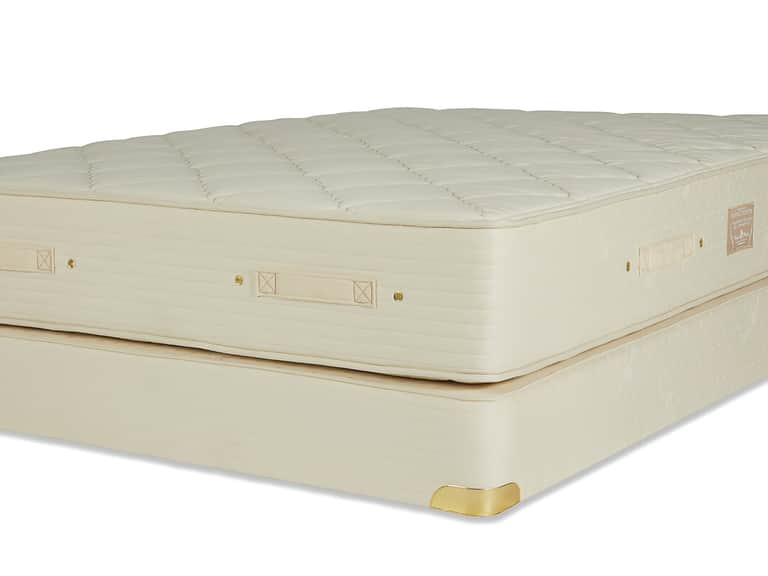
In our exploration of latex comfort, a standout exemplar emerges: the Royal-Pedic Premier Natural Latex Quilt-top Mattress. This luxury piece embodies the synthesis of natural materials, thoughtful layering, and a reverence for long-term durability. The mattress features a 10-inch all-natural latex core with a quilted, wool-wrapped exterior and premium cotton fabric. It is designed to be compatible with adjustable bases and aims to deliver a balance of firm support and surface plushness.
While this option sits at the premium end of the spectrum, it serves as a reference point for what quality latex can deliver when the materials and craftsmanship are prioritized. It represents the “how” of a refined natural latex surface—one that respects the body’s contours while offering enduring resistance to sagging.
Note: Product imagery exists only in editorial references; availability varies by retailer. The focus here is to illustrate the level of material integrity and design ethos typical of high-end latex surfaces.
Buying Guide: How to Evaluate Latex Mattresses Like a Pro
- Define your sleep posture and pressure points. Side sleepers often benefit from a slightly softer top layer, while back sleepers may prefer a more uniform support.
- Assess the latex source and certification. Look for natural latex, and verify the presence or absence of flame retardants and harmful adhesives.
- Investigate the layering and edge support. A well-constructed latex mattress will have thoughtfully designed layers and reinforced edges to maintain shape and support.
- Consider temperature preferences. If you tend to sleep hot, favor designs with good ventilation and breathable covers.
- Check warranty, trial periods, and return options. A generous trial period allows you to test the surface in your own environment.
The editorial aim here is clarity, not bias. You deserve a mattress that holds up to scrutiny, with transparent materials and commitments to craftsmanship.
Glossary: Key Terms You’ll Encounter
ILD, or Indented Load Deflection, is a measurement of firmness. Density refers to mass per unit volume, a factor in durability. Talalay and Dunlop are production methods that influence feel. Natural latex denotes materials derived from rubber trees, often combined with organic or sustainable processing standards. Certifications to look for include GOTS (organic textiles), GOLS (organic latex), and Oeko-Tex, signaling focus on safety and environmental responsibility.
Understanding these terms helps you compare products not only by price but by substance and long-term performance.
Conclusion: A Sleep Experience That Aligns with Your Life
Latex is a remarkable material that can deliver a combination of buoyant support and soft memory-like cradle, with a breathability that keeps sleep cooler. Whether you lean toward pure natural latex or a hybrid layering approach, the goal remains the same: a surface that respects your spine, adapts to your movements, and endures the test of time.
As you consider latex, remember that the best mattress is the one that makes you feel confident, cocooned, and ready to greet tomorrow with vitality. The editorial guide above provides a structured path—rooted in science, shaped by experience, and delivered with the refined clarity you expect from a discerning publication.
Further Reading and Resources
- Types of latex mattresses explained: natural, blended, and synthetic options
- How to read mattress labels: what to look for in materials and certifications
- Care and longevity tips for latex mattresses: rotation, cleaning, and maintenance practices
- Bed frames and compatibility: supporting your latex surface with the right base
Selected Product: York Mattress Pad
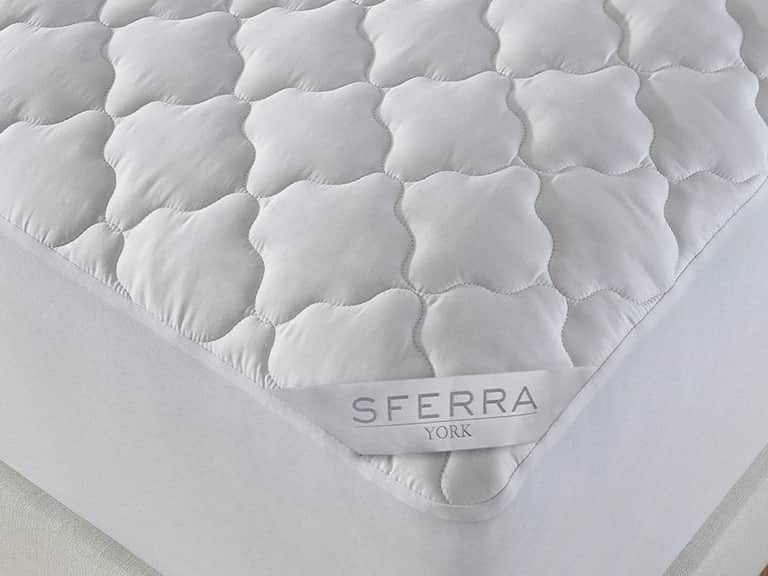
A luxurious companion for latex comfort, the York Mattress Pad offers 100% premium cotton fill with a 300TC cotton sateen shell to bring a refined, lofted surface to your bed. It pairs beautifully with latex cores by providing an extra layer of soft, breathable cushioning without altering the underlying support.
Price: 295.00. This pad demonstrates how layering accessories can elevate your sleep environment while preserving the integrity of the latex core underneath.
Note: Editorial product image is illustrative. Availability may vary by retailer.