Sleep Science and Sleep Quality: How Your Mattress Affects Restful Nights
Sleep is not a passive act but a delicate performance staged in the theater of our bodies. The mattress is the stage, the soundtrack, and often the conductor. This piece journeys through the science of sleep cycles, the anatomy of mattress design, and the practical art of choosing a surface that harmonizes with your physiology. We will explore how firmness, support, temperature regulation, and zoning of pressure influence deep sleep, and we’ll meet three distinguished minds from different eras who helped shape our understanding of rest.
The Sleep Cycle as a Biological Sonata
Sleep unfolds in cycles—each spanning roughly 90 minutes and comprising stages of light sleep, deep sleep (slow-wave), and rapid eye movement (REM). The choreography of these stages is sensitive to wakeful habits, circadian timing, and, crucially, the surface beneath us. The mattress does not merely cradle; it modulates microclimates, distributes pressure, and affects spinal alignment. When we speak of “sleep quality,” we’re not only measuring how long we sleep but how efficiently we traverse the symphony of stages, how quickly we enter deep sleep, and how seamlessly we emerge into morning restoration.
The science of this interplay centers on three interlocking principles: pressure relief, alignment, and temperature regulation. Pressure relief pertains to how a mattress dissipates weight so that no single point bears the brunt of our body’s mass. Proper spinal alignment ensures the natural curves of the spine are supported without forcing the skeleton into awkward compensations. Temperature regulation concerns the microclimate surrounding the body; the ideal surface breathes, wicks moisture, and keeps core temperature within a narrow band that favors restorative sleep.
Types of Mattresses: The Science Behind Comfort
Mattresses arrive in a spectrum of materials—foam, latex, and innerspring—each with distinctive mechanical properties. Memory foam responds to body heat by softening and contouring to your shape, providing bespoke pressure relief but sometimes at the cost of heat retention. Latex, particularly organic Dunlop or Talalay variants, offers resilient support with inherent breathability and a faster rebound. Innerspring systems, the enduring classic, deliver predictable support with coil-based zoning that can target different body regions.
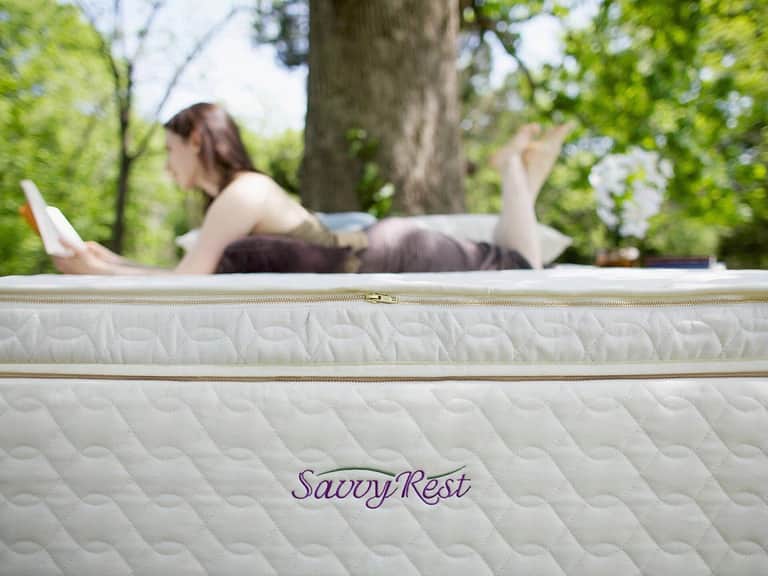
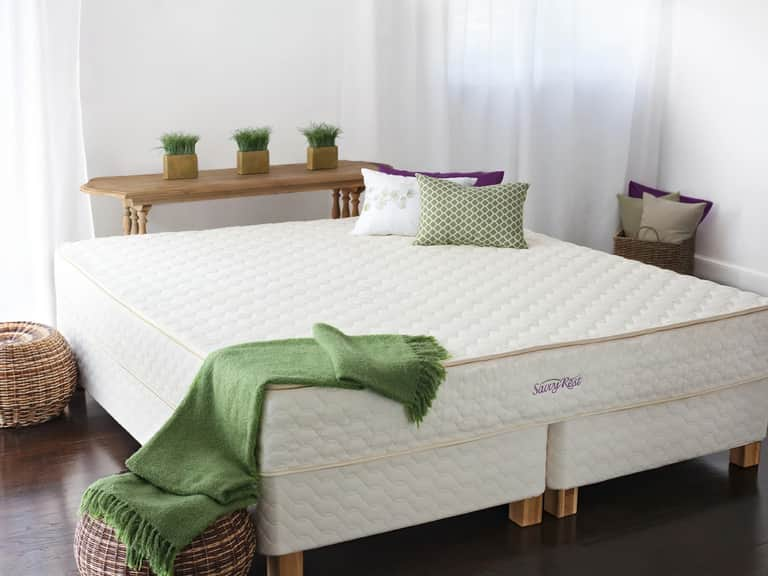
The modern synthesis of comfort blends these materials with strategic layering. A Savvy Rest Unity Pillowtop Latex Mattress, for instance, dramatizes the idea of customization: layers of Dunlop or Talalay latex are encased in organic cotton and wool quilt, inviting sleepers to tailor firmness and pressure relief. The result is not a one-size-fits-all but a living, adjustable landscape that can evolve with changing bodies and preferences.
Beyond raw materials, the architecture of a mattress—surface height, edge support, and cover fabric—affects sleep behavior. A well-designed cover can contribute to thermal regulation by enabling air movement, while a foundation’s stiffness interacts with the top layers to shape how weight is distributed across the torso and limbs.
How to Evaluate a Mattress for Your Sleep Style
The practical task of selecting a mattress should be patient and empirical. Begin with your preferred sleep position: back sleepers often require robust support along the spine, side sleepers may benefit from softer top layers that relieve shoulder and hip pressure, and stomach sleepers typically seek a firmer, more stable surface to prevent the hips from sagging.
Temperature comfort is another critical factor. If you tend to sleep hot, materials with open-cell foams, latex, or breathable covers can promote airflow. A latex-based configuration, for example, tends to be cooler than many dense memory foam constructions due to its natural breathability.
A test protocol can be straightforward: lie on the mattress in your typical position for ten minutes in the showroom or sleep trial, noticing how it distributes your weight, whether your hips and shoulders align with your spine, and whether temperature and moisture feel controlled. A mattress with a modular design—where you can adjust layers or swap toppers—might be especially valuable if you foresee changes in your sleep needs over time.
Three Key Figures in Sleep if We Consider Time and Thought
The story of sleep science is a montage of minds spanning centuries. Here are three figures from different epochs whose insights illuminate our modern relationship with rest:
- Francis Crick (1916–2004) and the Neural Architecture of Dreaming — Though Crick is best known for his work on DNA, his late-life contemplation of memory consolidation across sleep stages offered a provocative angle: dreams and memory integration may be tightly coupled to the brain’s nighttime housekeeping. In a century that valued measurement, Crick reminded us that the nocturnal mind is a factory of organization, pruning, and synthesis—an idea that underlines why mattress design that supports full cycles matters.
- Hippocrates (c. 460–377 BCE) and the Grounding of Sleep Health — From the ancients we inherit the idea that rest is inseparable from the body’s equilibrium. While not a mattress scientist in the modern sense, Hippocrates’ insistence on balancing the humors and maintaining a daily rhythm foreshadows today’s emphasis on consistent sleep schedules and sleep environments that honor the body’s natural routines.
- Hedy Lamarr (1914–2000) and the Art of Comfort in Living — A figure not traditionally associated with sleep science, Lamarr’s broader contribution to design and technology—the principle that elegant, considerate design can improve daily life— echoes in the way modern sleep products fuse comfort, material purity, and user autonomy. In sleep discourse, her legacy resonates as a reminder that tools chosen for rest should be both scientifically informed and aesthetically humane.
These figures—Crick, Hippocrates, and Lamarr—represent a trajectory: from the biological and philosophical foundations of rest to the modern insistence on user-centric, scientifically informed sleep surfaces. When we choose a mattress today, we are participating in a continuum that spans ancient wisdom, mid-century empiricism, and twenty-first-century material science.
Product Spotlight: Savvy Rest Unity Pillowtop Latex Mattress
In the realm of sleep systems, the Savvy Rest Unity Pillowtop Latex Mattress stands as a vivid exemplar of customization, material integrity, and long-term adaptability. This 13-inch-tall configuration combines four layers—two layers of Dunlop and Talalay latex topped by a soft, organic cotton casing with wool quilting. The result is a plush surface that responds to gentle weight shifts, offering relief in pressure-prone zones such as shoulders and hips, especially for side sleepers.
The Unity Pillowtop is emblematic of a philosophy: a mattress should evolve with the sleeper. Its layered construction invites layer exchanges and adjustments, a nod to the understanding that bodies change with time, posture, and age. The organic cotton casing, wool flame barrier, and US-sourced materials underscore a commitment to sustainability, health, and lasting comfort.
Key specifications and highlights:
- Total height: 13 inches with a pillowtop topper for enhanced surface softness
- Four-layer configuration with customizable firmness on each side (queen and king sizes)
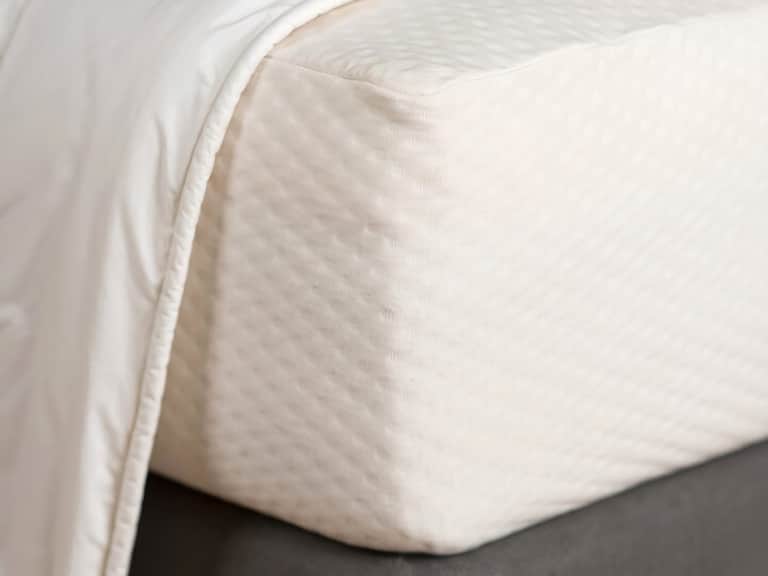
- Organic cotton outer casing, Dunlop latex (certified organic), wool flame barrier
- Made in America with materials sourced for organic integrity
- 20-year warranty and a 90-day layer exchange program
Product visuals for reference — In a real storefront, this would be accompanied by high-resolution imagery highlighting the four layers, the pillowtop surface, and the plush top layer. For the purposes of this article, we provide a narrative visualization of the layering to help readers imagine the tactile differences.
Imagined visualization: a plush surface that yields softly where you press, then regains shape, with a slightly springier core beneath. The organic cotton cover feels breathable, not stiff; the wool provides a natural flame barrier while adding a touch of resilient loft.
The Unity Pillowtop stands as a case study in how material science and ergonomic thinking intersect. The Dunlop latex layers, with diverse firmness options, create a spectrum that accommodates different weight distributions. Side sleepers particularly appreciate the topper’s pressure relief, which helps to preserve shoulder alignment without compromising spinal posture. In this sense, the Unity Pillowtop is less a single product than a platform for personalized sleep.

Why this mattress stands out
It offers a tangible demonstration of how layering strategies, organic materials, and customization options can converge to produce a sleep environment that respects the body’s geometry. The topper’s presence is not mere ornament; it’s an ergonomic intervention designed to distribute weight more evenly across the bed’s surface.
Tips for Creating a Restful Sleep Environment
A mattress can set the stage, but the wakeful environment plays a supporting role that can amplify or dampen the benefits of your chosen surface. Here are practical steps to optimize the sleep environment:
- Maintain a consistent sleep-wake schedule to align with your circadian rhythm.
- Choose breathable, natural materials for sheets and protectors. Organic cotton, linen, and wool layers can regulate temperature more effectively than standard synthetics.
- Pair your mattress with a protector that preserves the surface while offering protection against moisture and allergens.
- Keep the sleep environment cool, ideally around 60-67°F (15-19°C), to encourage deeper sleep stages.
- Allow your bed to breathe: avoid heavy blankets that trap heat, and consider layering with light duvets and breathable covers.
The philosophy is simple: a surface that supports the spine, cushions pressure points, and breathes with your body paves the way for longer, deeper sleep cycles. The right combination—whether you favor latex, memory foam, coils, or hybrids—can be a quiet partner in nightly restoration.
Conclusion: Sleep as a Practice, Not a Moment
The science of sleep invites us to treat rest as a disciplined practice rather than a passive pause. The mattress matters because it choreographs the body's interactions with the night. A surface designed for pressure relief, spinal alignment, and temperature regulation becomes a quiet partner, encouraging longer cycles of deep sleep and more efficient memory consolidation. In the end, the best mattress is the one that respects your body's needs today and remains adaptable for tomorrow.
As technology and materials advance, we can look forward to increasingly tailored sleep experiences that honor the body’s natural rhythms. Yet the enduring truth remains: quality sleep is an investment in health, clarity, and longevity. The mattress is not merely furniture; it is a conduit to waking with intention, energy, and a mind ready to receive the day.
Keywords and Thematic Anchors
Sleep science, mattress education, sleep quality, mattress selection guide, sleep health. This article engages with these themes by examining the relationship between material choices, sleep posture, temperature dynamics, and the architecture of the sleep surface.
Further Reading and Related Resources
For readers intrigued by the material science that shapes nightly rest, consider exploring:
- Comparative analyses of latex vs. memory foam in pressure relief and temperature regulation.
- Comparative case studies on coil-based innerspring systems with zoned support.
- Interviews with sleep researchers and ergonomics experts who discuss how posture affects long-term spinal health.
The quest for better sleep is ongoing, and it is deeply personal. The right mattress, much like a good blend of literature and craft, respects nuance, invites curiosity, and rewards patience.